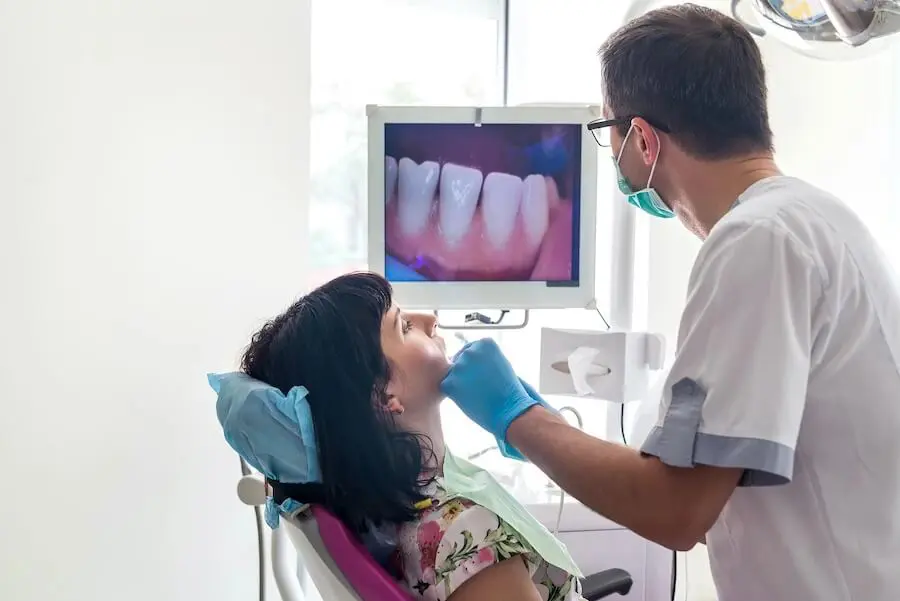
Sedation dentistry is a practice that is becoming increasingly popular among patients who experience fear or anxiety when visiting the dentist. This specialized form of dentistry involves the use of medication to help patients relax during dental procedures, making the experience more comfortable and less stressful.
From mild sedation to deep sedation, there are a variety of options available to suit each individual’s needs and preferences. In this article, we will explore the different types of sedation dentistry, how it works, and the benefits it can offer to patients who may otherwise avoid seeking dental care due to their fears or anxieties.
Types of Sedation Dentistry
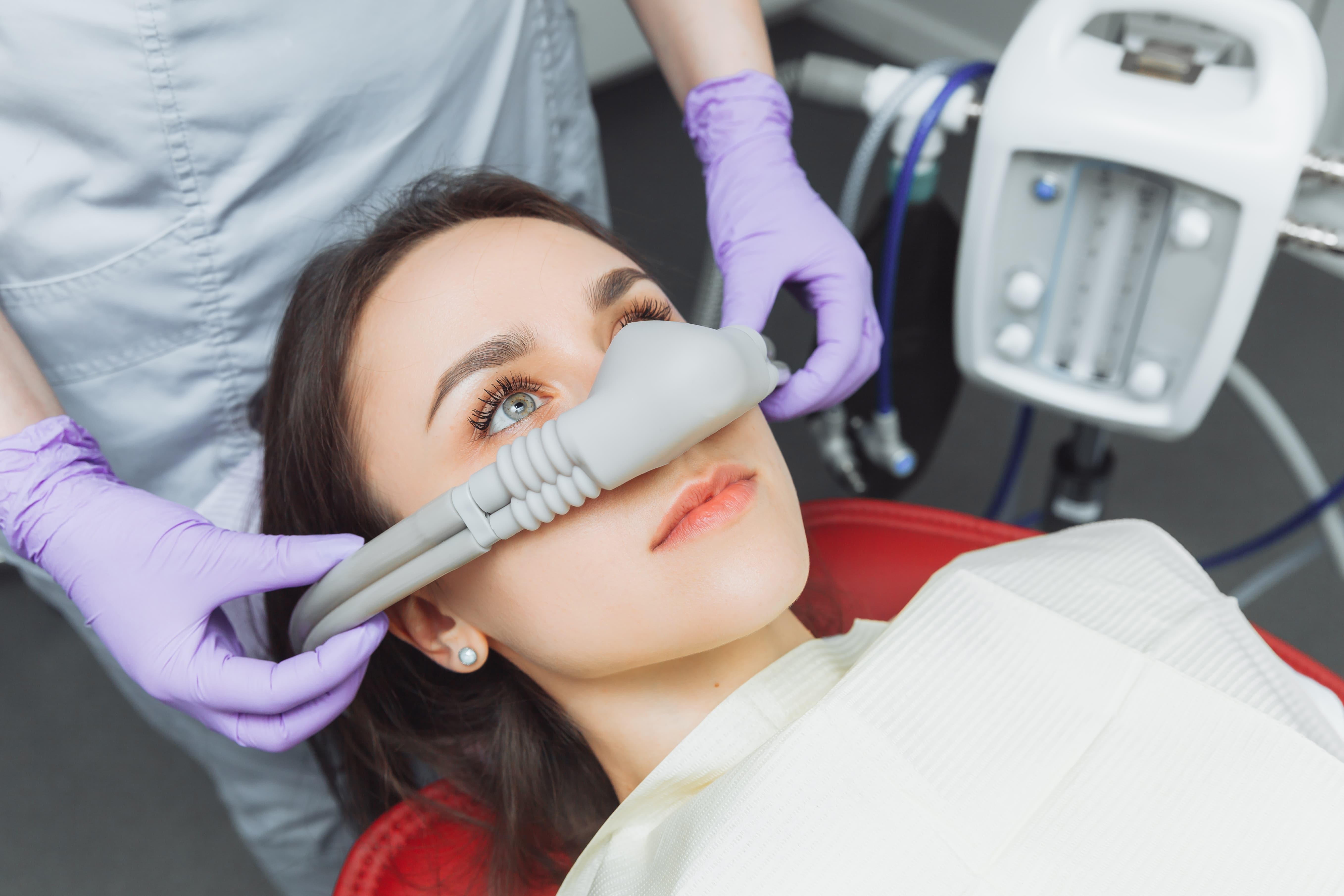
There are several types of sedation dentistry that can be used depending on the patient’s level of anxiety and the complexity of the procedure. Minimal sedation involves inhaling nitrous oxide, also known as laughing gas, to induce a state of relaxation. Moderate sedation, often administered orally or intravenously, allows patients to remain conscious but deeply relaxed. For those with severe dental phobia, deep sedation or general anesthesia may be recommended to induce a complete state of unconsciousness. If you are considering sedation dentistry for your next dental visit, it is important to discuss with your dentist the best option for you based on your individual needs and comfort level.
Anxiety-free sedation dentistry in Lutz offers a safe and effective solution for patients who struggle with dental anxiety. By providing a comfortable and relaxed environment, patients can receive the dental care they need without fear or discomfort. If you have been avoiding the dentist due to anxiety, consider exploring sedation dentistry as a way to overcome your fears and maintain optimal oral health.
Sedation dentistry offers a solution for individuals who struggle with fear and anxiety when visiting the dentist. By providing different levels of sedation, patients can feel relaxed and comfortable during dental procedures, ensuring that they receive the necessary care without added stress. Whether opting for minimal sedation with nitrous oxide or deep sedation with general anesthesia, patients can work with their dentist to determine the best option based on their needs and comfort level. Ultimately, sedation dentistry can help individuals overcome their fears and maintain their oral health in a safe and effective manner.