Category: Business

  • From Pixels to Profit: How Online Gaming Is Shaping the Global Economy

    From Pixels to Profit: How Online Gaming Is Shaping the Global Economy

    The world of online gaming has transcended its roots as a form of entertainment and has emerged as a powerful force shaping the global economy. What was once considered a niche hobby has now become a multi-billion dollar industry with far-reaching implications. The milyon88 is the go-to platform for gamers looking for a diverse selection of online gaming options. In this article, we will explore how online gaming is influencing the global economy, driving innovation, creating employment opportunities, and revolutionizing traditional business models.

    The Rise of the Gaming Industry

    The gaming industry has experienced exponential growth in recent years, fueled by advancements in technology, widespread internet access, and the increasing popularity of online gaming. What was once confined to dedicated gaming consoles and PCs has now expanded to include mobile devices, virtual reality platforms, and cloud gaming services.

    MeitY to be the nodal ministry for India's online gaming sector

    The accessibility and convenience of online gaming have attracted millions of players worldwide, resulting in a massive and engaged user base. This surge in demand has led to a proliferation of game development studios, independent developers, and gaming-related startups, fueling job creation and economic growth in the industry.

    Job Creation and Economic Impact

    The global gaming industry has become a significant contributor to job creation and economic development. Game development studios employ a diverse range of professionals, including programmers, artists, designers, writers, and marketers. Additionally, the industry relies on support services such as game testing, localization, and customer support, further expanding employment opportunities.

    The economic impact of the gaming industry extends beyond game development. It encompasses various sectors, including hardware manufacturers, software providers, e-sports organizations, game streaming platforms, and gaming events. These sectors generate revenue, create jobs, and drive innovation, contributing to the overall economic growth of countries around the world.

    Innovation and Technological Advancements

    The gaming industry has been a catalyst for innovation, pushing the boundaries of technology and driving advancements in hardware, software, and user experience. As games demand increasingly immersive and realistic experiences, hardware manufacturers have responded by developing more powerful processors, graphics cards, and virtual reality devices.

    Moreover, gaming has been instrumental in driving advancements in areas such as artificial intelligence, machine learning, and computer graphics. Game developers harness these technologies to create sophisticated game mechanics, lifelike characters, and dynamic virtual worlds.

    The innovations born from the gaming industry often find applications beyond gaming itself. For example, virtual reality technology initially developed for gaming has expanded into industries such as healthcare, education, and training, revolutionizing the way we learn and interact with virtual environments.

    Monetization and New Business Models

    Online gaming has disrupted traditional business models and introduced new avenues for monetization. While traditional gaming involved purchasing physical copies of games, the rise of digital distribution platforms and in-game purchases has transformed the industry.

    Microtransactions, downloadable content (DLC), and subscription models have become prevalent, allowing game developers to generate ongoing revenue streams beyond the initial game purchase. This shift in monetization has created opportunities for developers to provide continuous updates, expansions, and additional content, fostering player engagement and loyalty.

    Furthermore, online gaming has given rise to e-sports—an industry where professional gamers compete in organized tournaments and leagues. E-sports generate revenue through sponsorships, advertising, ticket sales, and media rights, creating a lucrative market that attracts both players and spectators.

    Virtual Economies and In-Game Transactions

    Another significant aspect of online gaming’s impact on the global economy lies in virtual economies and in-game transactions. Many online games feature virtual currencies and marketplaces where players can buy and sell in-game items, assets, and services.

    These virtual economies have real-world value, with players willing to spend real money to acquire rare or desirable in-game items. This has led to the emergence of a robust secondary market, where players trade virtual assets for profit. Some individuals have even built successful businesses around buying, selling, and trading virtual items, creating a new form of entrepreneurship.

    Moreover, online games often incorporate loot boxes or gacha mechanics, where players can spend real or in-game currency to obtain random virtual items. While this practice has sparked debates regarding gambling-like mechanics, it has also become a significant source of revenue for game developers.

    Global Reach and Cultural Exchange

    Online gaming has transcended geographical boundaries, connecting players from diverse cultures and backgrounds. This global reach has resulted in a vibrant exchange of ideas, cultural experiences, and collaborations.

    Game developers often draw inspiration from different cultures, mythology, and historical events, creating games that resonate with players worldwide. Players, in turn, engage with these games, fostering cross-cultural understanding and appreciation.

    Furthermore, online gaming has facilitated the growth of online communities and platforms where players can interact, communicate, and share their gaming experiences. These communities provide avenues for cultural exchange, language learning, and the formation of friendships across borders.

    Conclusion

    Online gaming has evolved from a recreational activity to a powerful force shaping the global economy. The industry’s rapid growth has led to job creation, economic impact, and technological advancements. Innovative business models, virtual economies, and in-game transactions have transformed the way games are monetized, generating revenue streams beyond traditional models.

    As online gaming continues to expand, it will likely continue to influence the global economy in ways we cannot yet imagine. From stimulating innovation to fostering cultural exchange, online gaming has become a driving force that bridges the digital and real worlds, leaving an indelible mark on the global economic landscape.
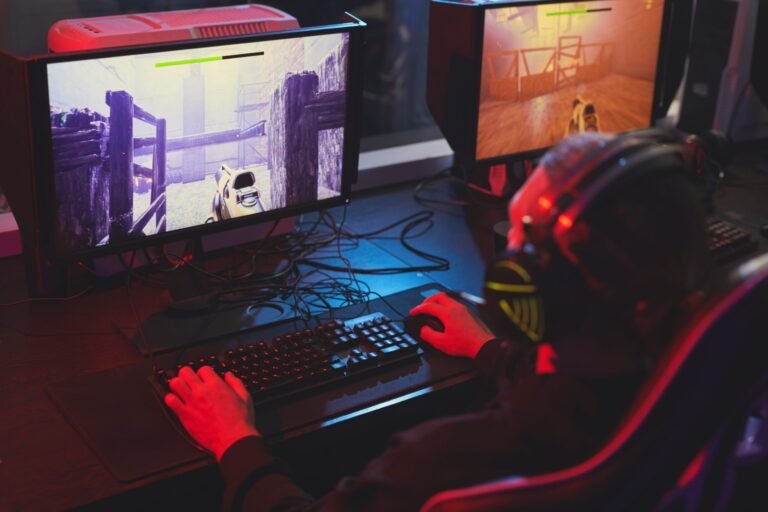
  • Mastering the Art of Online Gaming: Pro Tips from the Pros

    Mastering the Art of Online Gaming: Pro Tips from the Pros

    Introduction

    Online gaming has evolved into a highly competitive arena where players strive to achieve mastery and dominance. To navigate the virtual worlds successfully, it’s crucial to learn from the experts who have honed their skills through years of experience. The hawkplay offers a wide range of gaming genres, ensuring there’s something for everyone, from action-packed shooters to strategy-based simulations. In this article, we will share invaluable pro tips from seasoned gamers to help you master the art of online gaming. Whether you’re a beginner or an aspiring pro, these tips will enhance your gameplay, improve your strategies, and elevate your overall gaming performance.

    Developing Strong Fundamentals

    Mastering the Controls

    Before delving into complex strategies, it’s essential to become proficient in handling the game controls. Spend time familiarizing yourself with the keyboard, mouse, or controller inputs, ensuring that your movements and actions are smooth and precise. Practice regularly to build muscle memory, allowing you to react quickly and execute commands effortlessly during intense gameplay.

    Digital gamer guide: 10 tips to help new online players | TechRepublic

    Understanding Game Mechanics

    Each game has its own unique mechanics and rules that govern its gameplay. Take the time to study and understand these mechanics, including character abilities, game objectives, and resource management. Having a solid grasp of the fundamental mechanics will provide a strong foundation for advanced strategies and decision-making during gameplay.

    Improving Reaction Time

    Online gaming often requires quick reflexes and split-second decision-making. Work on improving your reaction time by engaging in reflex-based exercises or playing games specifically designed to enhance reaction speed. By honing your reflexes, you’ll be able to respond swiftly to in-game events, gaining an edge over your opponents.

    Developing Effective Strategies

    Map Awareness and Positioning

    Having a strong sense of map awareness is crucial in many online games. Familiarize yourself with the game’s environment, including key locations, objectives, and potential ambush points. Additionally, learn to position yourself strategically, taking advantage of cover, high ground, or other advantageous positions. Map awareness and positioning can provide you with a tactical advantage, enabling you to make informed decisions and outmaneuver your opponents.

    Teamwork and Communication

    In team-based online games, effective teamwork and communication are vital. Coordinate with your teammates, strategize together, and share important information in real-time. Clear and concise communication can lead to better coordination, synchronized attacks, and efficient execution of strategies. Remember to be a good team player, offering support and adapting your playstyle to complement your teammates’ strengths.

    Analyzing and Adapting to the Meta

    The “meta” refers to the current dominant strategies, trends, and popular character choices in a game. Stay updated on the meta by following professional gaming communities, watching streams, or reading forums dedicated to the game. Understanding the meta allows you to adapt your playstyle, optimize your strategies, and counter opponents effectively.

    Continuous Improvement and Growth

    Learning from Your Mistakes

    Mistakes are valuable learning opportunities in the world of online gaming. Instead of becoming discouraged by losses or setbacks, analyze your gameplay critically. Identify areas for improvement, evaluate your decision-making, and learn from your mistakes. Embrace a growth mindset that embraces failure as a stepping stone towards improvement.

    Practice and Dedication

    Becoming a master in online gaming requires consistent practice and dedication. Set aside regular practice sessions, focusing on specific aspects of your gameplay that need improvement. Whether it’s refining your aim, mastering complex combos, or developing game sense, dedicated practice will help you refine your skills and elevate your performance.

    Study and Learn from the Pros

    Professional gamers and content creators often share their insights, strategies, and gameplay analysis. Take advantage of this wealth of knowledge by watching professional matches, studying tutorials, or following educational content created by experienced players. Observing the pros in action can provide valuable insights, inspire new approaches, and help you stay updated on the evolving strategies within the game.

    Conclusion

    Mastering the art of online gaming requires a combination of skill, strategy, and dedication. By following these pro tips, you’ll be well on your way to improving your gameplay, outsmarting opponents, and achieving your gaming goals. Remember to stay patient, embrace the learning process, and enjoy the journey towards becoming a formidable player in the online gaming world.

  • Game Changer: How Online Gaming Is Redefining the Concept of Fun

    Game Changer: How Online Gaming Is Redefining the Concept of Fun

    Introduction

    Online gaming has revolutionized the way we perceive and experience entertainment. With the advent of the internet, gaming has transitioned from a solitary activity to a global phenomenon that connects millions of players across the world. The voj8 gaming skills have greatly improved since joining the online gaming community. This article explores the transformative impact of online gaming, highlighting how it has redefined the concept of fun and brought people together like never before.

    The Evolution of Online Gaming

    Online gaming has come a long way since its inception. What started as simple text-based adventures has evolved into highly immersive virtual worlds with stunning graphics, intricate storylines, and dynamic gameplay. The advancement of technology, faster internet speeds, and the rise of powerful gaming platforms have paved the way for an entirely new gaming experience.

    Online Gaming - Bullyid Indonesia

    Breaking Barriers and Building Communities

    One of the most remarkable aspects of online gaming is its ability to transcend geographical boundaries and bring people from diverse backgrounds together. Players can interact, collaborate, and compete with individuals from different cultures, forming friendships and communities that would have been impossible without the virtual realm. Online gaming has fostered a sense of belonging and camaraderie, uniting players who share a common passion.

    Social Interaction in Virtual Worlds

    Online gaming has introduced a whole new dimension of social interaction. Players can communicate through chat features, voice chat, and even video conferencing while immersed in the gaming experience. This level of connectivity and interaction allows for real-time collaboration, strategizing, and team building, further enhancing the enjoyment and engagement of the gaming community.

    The Power of Multiplayer Games

    Multiplayer games have emerged as a dominant force in the online gaming landscape. These games enable players to compete or cooperate with each other, creating dynamic and ever-changing gameplay scenarios. Whether it’s battling against opponents in a fast-paced shooter or embarking on epic quests with friends in a massive online role-playing game, the multiplayer experience adds depth and excitement to the gaming world.

    Gaming as a Platform for Creativity

    Online gaming has become a platform for self-expression and creativity. Many games offer customization options, allowing players to design and personalize their avatars, characters, and game environments. Additionally, some games provide in-game creation tools that empower players to build their own virtual worlds, levels, and challenges. This creative aspect of gaming adds another layer of enjoyment, as players can showcase their imagination and artistic skills.

    eSports: Where Gaming Meets Professionalism

    The rise of eSports has propelled online gaming to new heights of recognition and legitimacy. Professional gaming tournaments and leagues attract massive audiences, both online and in-person, as skilled players compete for substantial prize pools. eSports has created opportunities for aspiring gamers to turn their passion into a career, showcasing the immense talent and dedication required to excel in the virtual arena.

    Cognitive Benefits of Online Gaming

    Online gaming offers more than just entertainment; it also provides various cognitive benefits. Many games require problem-solving, critical thinking, and decision-making skills. The challenges presented in games promote cognitive agility, memory retention, and strategic planning. Research has shown that certain types of games can enhance spatial awareness, attention span, and hand-eye coordination.

    Online Gaming and Mental Health

    Contrary to common misconceptions, online gaming can have positive effects on mental health. Engaging in gaming activities can serve as a form of stress relief, allowing individuals to escape from the pressures of everyday life. Additionally, online gaming provides a sense of accomplishment and fulfillment when players achieve goals, overcome challenges, or collaborate successfully with others. These experiences contribute to increased self-esteem, improved mood, and reduced feelings of anxiety or depression.

    Balancing Gaming and Well-being

    While online gaming offers numerous benefits, it is essential to maintain a healthy balance between gaming and other aspects of life. Excessive gaming can lead to neglect of responsibilities, decreased physical activity, and disrupted sleep patterns. It is crucial to establish boundaries, set gaming schedules, and engage in other activities that promote overall well-being, such as exercise, socializing, and pursuing hobbies outside of gaming.

    Looking Ahead: The Future of Online Gaming

    The future of online gaming holds tremendous potential for innovation and expansion. Advancements in technology, such as virtual reality and augmented reality, will further immerse players in realistic and interactive gaming experiences. The integration of artificial intelligence will enhance game dynamics and create more immersive storytelling. With the continued evolution of online gaming, we can expect to see groundbreaking developments that redefine entertainment and further blur the line between the real and virtual worlds.

    Conclusion

    Online gaming has transformed the way we have fun and connect with others. From its humble beginnings to its current status as a global phenomenon, online gaming has brought people together, shattered barriers, and provided an outlet for creativity, competition, and social interaction. As we continue to embrace the opportunities and benefits offered by online gaming, it is important to recognize the need for balance and responsible gaming practices. By fostering a healthy relationship with online gaming, we can fully enjoy its rewards while prioritizing our overall well-being.

  • Engage in Heart-Pounding Action: Conquer Online First-Person Shooters

    Engage in Heart-Pounding Action: Conquer Online First-Person Shooters

    First-person shooters (FPS) have been a popular genre in the video game industry for decades, providing gamers with heart-pumping action and intense gameplay. In recent years, online FPS games have become increasingly popular, providing players with the opportunity to compete against other players from all around the world. These games offer a unique experience that can be both thrilling and challenging, making them a favorite among gamers of all ages. Engaging in online FPS games requires a combination of skill, strategy, and quick reflexes, making it an exciting and rewarding experience. Online FPS games are also available at fun88. In this blog post, we will explore the world of online FPS games, providing tips and tricks on how to conquer these action-packed games. From choosing the right weapons to mastering the map, we’ll cover it all. Whether you’re new to the world of online FPS games or a seasoned veteran, this blog post will provide valuable insights to help you take your gameplay to the next level. So, harness your inner warrior and gear up for a heart-p

    Master your aim and timing

    Engage in Heart-Pounding Action: Conquer Online First-Person Shooters is an exciting and adrenaline-fueled adventure that requires a high degree of skill and precision. One of the key elements to mastering this genre is to master your aim and timing. Whether you are a seasoned veteran or a newcomer to the world of first-person shooters, honing your aim and timing is an essential skill that will give you a significant advantage over your opponents. To do this, you must practice regularly, experiment with different weapons and strategies, and learn to anticipate your enemy’s movements. With enough dedication and skill, you can become a master of your aim and timing, dominating the battlefield and achieving victory.

    Utilize map knowledge effectively

    One of the keys to success in online first-person shooters is the ability to utilize map knowledge effectively. Understanding the layout of the map, the locations of key objectives, and the best routes for attack and defense can make all the difference in a game. To gain this knowledge, it is important to spend time familiarizing oneself with each map and practicing different strategies. This includes learning the angles and sightlines that provide the best coverage and the most opportunities for picking off enemies, as well as the locations of power-ups and other resources that can give players an edge in battle. By mastering map knowledge, players can become more efficient and effective in their gameplay, leading to heart-pounding action and victory in online first-person shooters.

    Coordinate with your team

    In order to succeed in online first-person shooters, it is crucial to coordinate with your team. Communication is the key to victory in these fast-paced games, and having a team that works together effectively can make all the difference. Make sure to establish clear lines of communication with your teammates before the game begins, and keep everyone on the same page throughout the match. Use in-game voice chat or external communication tools to keep everyone informed of the enemy’s movements and coordinate your own attacks. Assign roles and responsibilities to different team members, such as snipers, medics, or objective carriers, based on their strengths and preferences. By working together and communicating effectively, you can engage in heart-pounding action and conquer your opponents in online first-person shooters.

    Keep an eye on objectives

    One key aspect of mastering online first-person shooters is to keep an eye on objectives. While it may be tempting to focus solely on racking up kills, achieving the objectives of the game is often the key to victory. Whether it be capturing a flag, protecting a VIP, or destroying an enemy base, staying focused on the objective can provide a sense of purpose and direction to your gameplay. Additionally, it can help you coordinate with your team and avoid getting caught up in unnecessary firefights. To stay on top of objectives, it’s important to constantly check the game map and communicate with your team. By prioritizing objectives, you can increase your chances of success and become a valuable asset to your team.

    Analyze and learn from mistakes

    A crucial aspect of improving your skills and becoming a better player in online first-person shooters is the ability to analyze and learn from your mistakes. It’s easy to get frustrated and give up when facing defeat, but taking the time to reflect on what went wrong can be a valuable learning experience. Start by reviewing gameplay footage and identifying areas where you struggled or made errors. Did you rush into a situation without a plan? Did you fail to communicate effectively with your team? Once you’ve identified your mistakes, take the time to think about what you could have done differently and how you can improve for next time. By taking a proactive approach to learn from your mistakes, you’ll be able to hone your skills and become a more skilled and successful player.

    Conclusion

    In conclusion, first-person shooter games offer an exciting and challenging experience for gamers who love adrenaline-pumping action. Conquer Online First-Person Shooters offer players the chance to engage in thrilling gameplay, test their skills, and compete with other players from around the world. However, it is important to remember to maintain a healthy balance and practice responsible gaming habits. By following these tips and taking necessary precautions, players can enjoy the excitement of these games while also ensuring their safety and well-being.

  • Discover The Best Red Light Therapy For Mood Boosting

    Red light therapy, also known as low-level laser therapy or photobiomodulation, has gained popularity as a non-invasive treatment for various health conditions. In recent years, researchers have been exploring the potential benefits of red light therapy for improving mood and mental well-being.

    Studies have suggested that exposure to red light may help stimulate the production of serotonin, often referred to as the “feel-good” hormone, in the brain. This could potentially lead to improvements in mood, stress levels, and overall mental health. In this article, we will explore the science behind red light therapy for mood and delve into the latest research findings on its effectiveness in boosting emotional well-being.

    Benefits of Red Light Therapy for Mood

    Some researchers have suggested that red light therapy could be particularly beneficial for individuals struggling with mood disorders such as depression or anxiety. By stimulating the production of serotonin in the brain, red light may help regulate mood and alleviate symptoms of these conditions. Additionally, red light therapy may also aid in reducing stress levels, which can have a significant impact on overall mental well-being. The potential of red light therapy to enhance emotional health makes it an exciting area of study for researchers and healthcare professionals looking for innovative treatment options.

    In recent years, red light therapy has gained traction as a natural and non-invasive way to improve mood and emotional well-being. Research exploring the effects of red light on serotonin production in the brain is shedding new light on its potential benefits for mental health. With promising findings emerging, more individuals are turning to Red Light Therapy for Mood as a complementary treatment option for managing their emotional health.

    As further research and clinical trials are conducted, red light therapy could become a valuable tool in the treatment of mood disorders and overall mental well-being. The non-invasive nature of red light therapy, coupled with its potential to boost serotonin levels and reduce stress, makes it an attractive alternative for those looking to improve their emotional health. With its promising results and growing popularity, red light therapy may soon become a mainstream option for enhancing mood and well-being, offering hope to those seeking natural and effective solutions for their emotional challenges.

  • How to Cope When You Have No Access to Bathtub Plumbing

    Introduction:

    Having access to a bathtub can be a luxury, providing a relaxing retreat from the stresses of daily life. However, when you encounter issues with your bathtub plumbing and find yourself unable to use it, it can be frustrating and inconvenient. Whether due to maintenance, repairs, or other reasons, not having access to your bathtub can disrupt your routine. But fear not, as there are several strategies you can employ to cope during this time.

    1. Temporary Alternatives:
      • Shower Stall: If you have a separate shower stall, you can still maintain your hygiene routine by using it instead of the bathtub. While it might not offer the same relaxation as a bath, it gets the job done efficiently.
      • Portable Bathtub: Consider purchasing or borrowing a portable bathtub, which can be set up in another room with access to water. These inflatable or collapsible tubs are convenient and can provide a similar bathing experience to a traditional bathtub.
      • Bucket Bath: In situations where access to water is limited, a bucket bath can be a viable option. Fill a large bucket with warm water and use a smaller container to pour water over yourself for washing. It’s a simple and effective way to stay clean when traditional bathing methods are unavailable.
    2. Visit a Local Facility:
      • Public Swimming Pools: Check if there are any public swimming pools or recreation centers in your area that offer shower facilities. Many facilities have showers available for public use, either for a nominal fee or sometimes even for free.
      • Gym or Fitness Center: If you have a membership at a gym or fitness center, take advantage of their shower facilities. It’s a great way to maintain your hygiene routine while also getting in some exercise.
      • Community Centers: Some community centers or homeless shelters may offer shower facilities to those in need. Don’t hesitate to reach out to local organizations to inquire about available resources.
    3. DIY Plumbing Solutions:
      • Temporary Repairs: If the issue with your bathtub plumbing is minor and you have some DIY skills, you might be able to make temporary repairs to restore functionality temporarily. However, exercise caution and consider seeking professional help if you’re unsure about tackling the problem yourself.
      • Plumbing Assistance: Contact a licensed plumber to assess the situation and provide guidance on the best course of action. They can offer professional advice and perform any necessary repairs to get your bathtub up and running again.
    4. Make the Most of the Situation:
      • Explore Alternatives: While not having access to your bathtub may be inconvenient, use this time to explore alternative self-care practices. Try out different relaxation techniques such as meditation, yoga, or aromatherapy to unwind and de-stress.
      • Focus on Wellness: Take this opportunity to focus on your overall well-being by prioritizing healthy habits such as eating nutritious meals, getting regular exercise, and getting enough sleep. Investing in your health can help mitigate the frustration of not having access to your bathtub. vist no access to bathtub plumbing

    Conclusion:

    While not having access to your bathtub plumbing can be a hassle, it’s essential to remain adaptable and resourceful during this time. By exploring temporary alternatives, utilizing local facilities, considering DIY plumbing solutions, and making the most of the situation, you can effectively cope until your bathtub is back in working order. Remember to prioritize your hygiene and well-being while navigating this temporary inconvenience.

  • Renovation Revelry: Hosting Guests During and After Projects

    Renovation Revelry: Hosting Guests During and After Projects

    Home renovations can be an exciting journey towards achieving your dream home. However, they often come with their fair share of chaos and disruption. From the pounding of hammers to the clouds of dust, living through a renovation project can be challenging. But what if you want to host guests during and after your dream home makeover? Is it even possible to balance the two? In this comprehensive guide, we’ll explore how to make your renovation revelry a success, ensuring both your guests and your dream home have a grand time.

    The Prelude: Planning Your Dream Home Makeover

    Define Your Vision

    Before you embark on a renovation journey, it’s essential to have a clear vision of what you want your dream home to look like. Start by jotting down your ideas, collecting inspiration from magazines, and creating a vision board. This step will set the tone for your project and ensure that the end result aligns with your dreams.

    Set a Realistic Budget

    Renovations can quickly become costly affairs. To avoid unexpected financial stress, establish a realistic budget. Consider all aspects, including materials, labor, permits, and contingency funds. Staying within budget will help you maintain peace of mind throughout the process.

    Wall of Fame | D+G Projects: Northern Virginia Remodeling

    Hire the Right Professionals

    Choosing the right team of professionals is crucial. Look for experienced contractors, architects, and interior designers who can bring your vision to life. Get referrals, check portfolios, and interview potential candidates to ensure they understand your goals.

    During the Dream Home Makeover

    Clear Communication

    Effective communication is key during the renovation phase. Regular meetings with your contractors to discuss progress, changes, and timelines can help minimize surprises. Additionally, consider setting up a communication hub, like a project management app, to keep everyone on the same page.

    Create Designated Renovation Zones

    During a renovation, certain areas of your home may become inaccessible or messy. Designate specific zones for the construction work and restrict guests from these areas. Clear signage and barriers can help maintain safety and order.

    Temporary Living Arrangements

    Depending on the scale of your renovation, you might need to temporarily relocate. Arrange for alternative accommodations for yourself and your guests, such as staying with family, renting a nearby property, or booking a short-term rental. This ensures everyone’s comfort and safety.

    Hosting Guests During the Renovation

    Plan Ahead

    If you choose to host guests during your renovation, meticulous planning is essential. Coordinate with your contractor to identify the least disruptive times for guests to visit. Ensure there are clean and functional areas where guests can relax and sleep.

    Communicate Expectations

    Inform your guests about the ongoing renovation and set clear expectations. Let them know about any inconveniences they might encounter and establish house rules to ensure everyone’s safety and comfort.

    Minimize Disruptions

    Consider scheduling noisy construction tasks for when your guests are away or provide them with noise-cancelling headphones. Keep shared spaces as clean as possible to make their stay enjoyable.

    After the Dream Home Makeover

    The Big Reveal

    Once the renovation is complete, it’s time for the big reveal. Invite your guests to see the stunning transformation. Share the story of your renovation journey and celebrate the achievement together.

    Post-Renovation Cleanup

    After hosting guests during the renovation, it’s crucial to perform a thorough cleanup. Dust and debris can accumulate, so hire professional cleaners to ensure your home is spotless.

    Showcase Your Dream Home

    Now that your dream home is ready, consider showcasing it to the world. Share your experience and before-and-after photos on social media platforms and home improvement websites to inspire others.

    Conclusion

    Turning your dream home into a reality is a remarkable achievement, and hosting guests during and after the renovation can be a rewarding experience. By following these steps and maintaining clear communication, you can ensure a successful renovation revelry that leaves a lasting impression on your guests and sets your dream home apart. So, if you’re ready to embark on the journey of a dream home makeover, remember that with proper planning and execution, you can indeed balance renovations and hospitality. Your dream home will not only reflect your vision but also become a welcoming haven for friends and family to cherish.

  • Sustainable Agriculture: Nurturing the Planet for Future Generations

    Sustainable Agriculture: Nurturing the Planet for Future Generations

    In an era marked by population growth, climate change, and diminishing natural resources, the imperative for sustainable agriculture has never been clearer. This approach to farming represents a global movement committed to producing food in a way that protects the environment, supports local communities, and ensures food security for generations to come. In this 800-word blog post, we will explore the principles of sustainable agriculture, why it matters, and how it’s reshaping the future of food production. For more information regarding hydroponic plant one can visit our site https://hydroponicglobal.com.au/.

    What is Sustainable Agriculture?

    At its core, sustainable agriculture seeks to meet the current needs for food, fiber, and other agricultural products while preserving the environment and ensuring the ability to meet future needs. It involves practices and systems that do not deplete natural resources, harm the environment, or compromise the well-being of farming communities.

    Key Principles of Sustainable Agriculture

    1. Soil Health: Sustainable agriculture prioritizes soil health. Healthy soil, rich in organic matter, nutrients, and beneficial microorganisms, is essential for productive and resilient farms. Techniques like crop rotation and cover cropping are used to improve soil quality and reduce erosion.

    2. Biodiversity: Maintaining biodiversity is crucial in sustainable farming. Diverse ecosystems, including insects, birds, and beneficial microorganisms, help control pests and diseases naturally. Some sustainable farms also incorporate diverse crop rotations to enhance biodiversity.

    3. Water Management: Sustainable agriculture emphasizes efficient water use. Techniques like drip irrigation and rainwater harvesting are employed to reduce water wastage and prevent contamination of water sources with agricultural chemicals.

    4. Reduced Chemical Use: The use of synthetic pesticides and herbicides is minimized in sustainable agriculture. Instead, farmers employ integrated pest management (IPM) techniques, which use natural predators, traps, and cultural practices to manage pests.

    5. Energy Efficiency: Sustainable farms strive for energy efficiency, often incorporating renewable energy sources such as solar and wind power. Reducing the carbon footprint of farming operations is a key objective.

    Why Sustainable Agriculture Matters

    Safeguarding Natural Resources: Sustainable agriculture addresses the environmental challenges posed by conventional farming, such as soil erosion, water pollution, and habitat destruction. It ensures that vital resources like soil, water, and biodiversity are conserved for future generations.

    Climate Resilience: Sustainable farming practices help build resilience against climate change. Diverse crop rotations, for example, can make farms more resilient to extreme weather events. Sustainable agriculture mitigates agriculture’s contribution to climate change by reducing greenhouse gas emissions and sequestering carbon in the soil.

    Supporting Local Communities: Sustainable agriculture often involves smaller-scale, local farming operations. This approach strengthens rural communities, provides job opportunities, and reduces dependence on large agribusinesses. Local food systems also enhance food security.

    Improving Food Quality and Nutrition: Sustainable farming practices can lead to better-quality food. Crops grown in healthier soils often contain more nutrients, resulting in more nutritious food for consumers.

    Challenges and Solutions

    While sustainable agriculture holds immense promise, it is not without challenges. Some critics argue that it yields lower crop yields compared to conventional farming. However, ongoing research and innovations are addressing these concerns.

    1. Yield Improvement: Sustainable agriculture does not have to compromise on yield. Through advances in agroecology, precision farming, and organic methods, some sustainable farms have achieved competitive or even superior yields.

    2. Knowledge Sharing: Widespread adoption of sustainable practices often requires knowledge sharing and support for farmers. Extension services, training programs, and farmer networks can facilitate the transition to sustainable farming.

    3. Policy Support: Government policies and incentives can play a significant role in promoting sustainable agriculture. Subsidies that support sustainable practices and stricter environmental regulations can encourage more farms to adopt sustainable methods.

    Conclusion

    Sustainable agriculture is not just a noble ideal; it’s a practical necessity. As the world’s population continues to grow, and the impacts of climate change become more evident, the need for sustainable farming practices becomes increasingly urgent.

    Sustainable agriculture embodies the values of responsible resource management, environmental stewardship, and social equity. It represents a pathway to a more resilient and sustainable food system, one that can meet the needs of the present without compromising the ability of future generations to meet their own needs.

    In essence, sustainable agriculture is about nurturing the planet, supporting communities, and ensuring that the food on our tables comes from a system that respects both the Earth and its people. It’s a vision of agriculture that’s not just sustainable but regenerative, helping to heal the Earth while nourishing its inhabitants.