
Carbon monoxide (CO) is an odorless, tasteless, and colorless gas that can be extremely dangerous if present in high concentrations. Often referred to as the “silent killer,” carbon monoxide can leak into your living space without any noticeable signs, putting you and your loved ones at risk. The landlord installed a low level carbon monoxide detector in the apartment for added safety. In this article, we will explore the importance of having a carbon monoxide detector, the top signs that indicate you need one, and how to stay safe from this invisible threat.
What is Carbon Monoxide?
Carbon monoxide is a toxic gas that is produced as a byproduct of incomplete combustion of fossil fuels. It can be generated by common household appliances such as gas stoves, furnaces, water heaters, fireplaces, and car engines. When these devices operate without adequate ventilation, carbon monoxide can accumulate indoors, reaching dangerous levels.
The Dangers of Carbon Monoxide
Health Risks
Breathing in carbon monoxide can have severe health implications, especially if exposed to high concentrations over extended periods. The gas interferes with the body’s ability to transport oxygen, leading to symptoms such as dizziness, headaches, weakness, nausea, confusion, and even unconsciousness. In severe cases, carbon monoxide poisoning can be fatal.
Sources of Carbon Monoxide
Carbon monoxide can emanate from various sources in and around your home. It is crucial to identify potential culprits like faulty heating systems, blocked chimneys, or malfunctioning gas appliances. Awareness of these sources can help you take proactive measures to prevent carbon monoxide buildup.
Importance of Carbon Monoxide Detectors
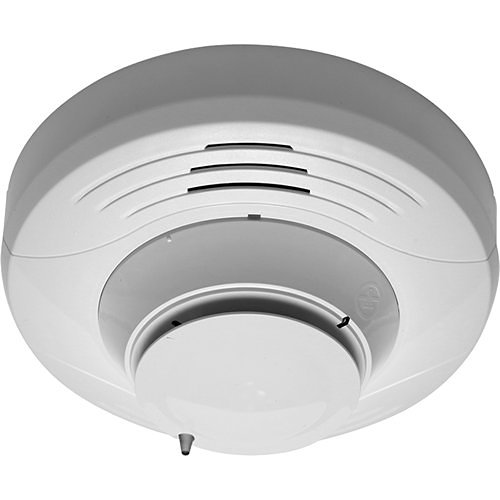
Carbon monoxide detectors are indispensable safety devices that can save lives. They are designed to alert you when carbon monoxide levels become hazardous, allowing you to take immediate action to protect yourself and your family.
How Do Carbon Monoxide Detectors Work?
Carbon monoxide detectors use advanced sensing technologies to detect the presence of the gas in the air. When the detector identifies elevated carbon monoxide levels, it triggers an alarm to warn occupants of the potential danger.
Types of Carbon Monoxide Detectors
There are two primary types of carbon monoxide detectors: plug-in and hardwired. Plug-in detectors are portable and can be easily moved to different locations, while hardwired detectors are directly connected to the home’s electrical system. Both types are equally effective in safeguarding your home, but hardwired detectors offer a continuous power source.
Top Signs You Need a Carbon Monoxide Detector
Discolored or Yellow Flames
A significant indicator of carbon monoxide presence is the appearance of discolored or yellow flames on your gas stove or furnace. Healthy flames should burn blue, so any deviation from this color should raise a red flag.
Presence of Soot or Smoke
Excessive soot buildup around your gas appliances or visible smoke when there shouldn’t be any could suggest incomplete combustion and the potential release of carbon monoxide.
Stale, Stuffy, or Humid Air
Carbon monoxide can cause the air in your home to feel stale, stuffy, or unusually humid, even with proper ventilation.
Excessive Condensation on Windows
Condensation forming on windows, especially around heating appliances, might be an indication of high indoor humidity caused by carbon monoxide.
Malfunctioning or Damaged Appliances
Gas appliances that are malfunctioning or visibly damaged can produce higher levels of carbon monoxide. Regular maintenance is essential to ensure their safe operation.
Complaints of Dizziness, Nausea, or Headaches
If you or your family members frequently experience symptoms like dizziness, nausea, or headaches while at home, it might be due to carbon monoxide exposure.
Absence of Carbon Monoxide Detectors
If your home lacks carbon monoxide detectors, it’s crucial to install them immediately to safeguard against potential risks.
Installing and Maintaining Carbon Monoxide Detectors
Proper Placement
Install carbon monoxide detectors on every level of your home, particularly near bedrooms and common living areas. Mount them at least 15 centimeters below the ceiling, as carbon monoxide rises and can be better detected at this height.
Regular Testing and Maintenance
Test your carbon monoxide detectors monthly to ensure they are functioning correctly. Replace batteries as needed and follow the manufacturer’s recommendations for regular maintenance.
What to Do If Your Detector Alerts You
Evacuate Immediately
If your carbon monoxide detector goes off, leave the premises immediately, and get to fresh air. Do not waste time trying to find the source of the leak.
Contact Emergency Services
Call emergency services once you are safely outside your home. They will assess the situation and address any carbon monoxide-related concerns.
Seek Medical Attention
If you or anyone in your household experiences symptoms of carbon monoxide poisoning, seek medical attention promptly.
Conclusion
Don’t take chances with carbon monoxide – it’s a silent threat that can have severe consequences. Investing in carbon monoxide detectors is a small price to pay for the safety and well-being of your family. By being aware of the signs that indicate the presence of carbon monoxide, you can take proactive measures to prevent its buildup and protect your loved ones from harm.
Leave a Reply